Researchers found an impressive ecosystem of “alien” microorganisms in the radioactive Königstein mine in Germany.
NPRA warning sign about the dangerous radioactivity in uranium mines .
In the picturesque Elbe Sandstone Mountains of southeastern Germany , researchers expose a expand ecosystem of “ foreign ” life forms in seemingly one of the most inhospitable environments bonk to man : an abandon atomic number 92 mine .
The Königstein uranium mine date back to the sixties , a geological period when nuclear energy was still in its babyhood and existence powers were chop-chop looking to rein in its capabilities .
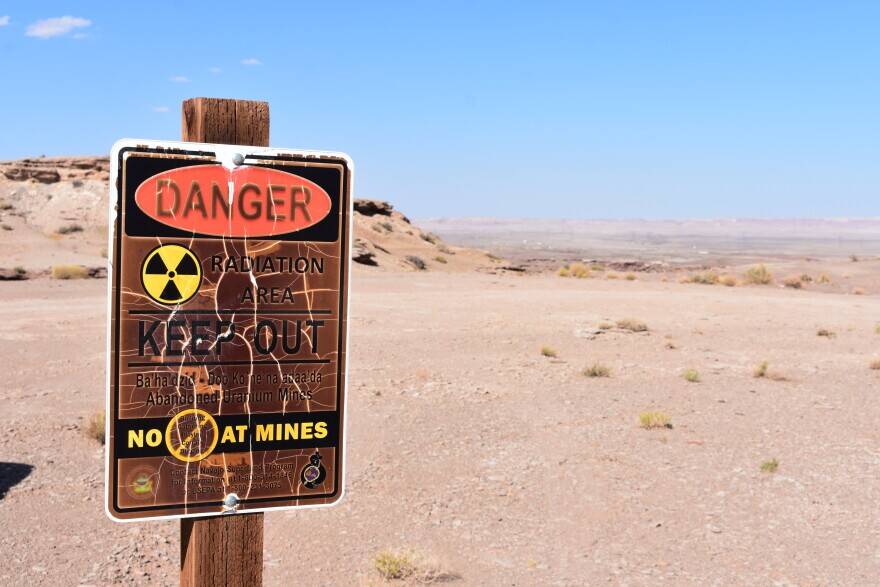
NPRA warning sign about the dangerous radioactivity in uranium mines.
After a small air pocket of uranium was found in the region , it on the spur of the moment blossomed into a major hub for uranium mining . From its founding in the 1960s to its closing in the 1990s , the mine produced over 1,000 tons of uranium yearly .
In the 1990s , the mine ’s output go down , and officials decide to glut it to ease any major environmental impact . After this , it close for sound .
decennary after the mine ’s closing , keepers of the mine noticed strange animation forms begin to take root inside its flooded walls . The steward make up one’s mind to call in scientist to investigate the thing , and what they found break the unbelievable tenacity of life on Earth .
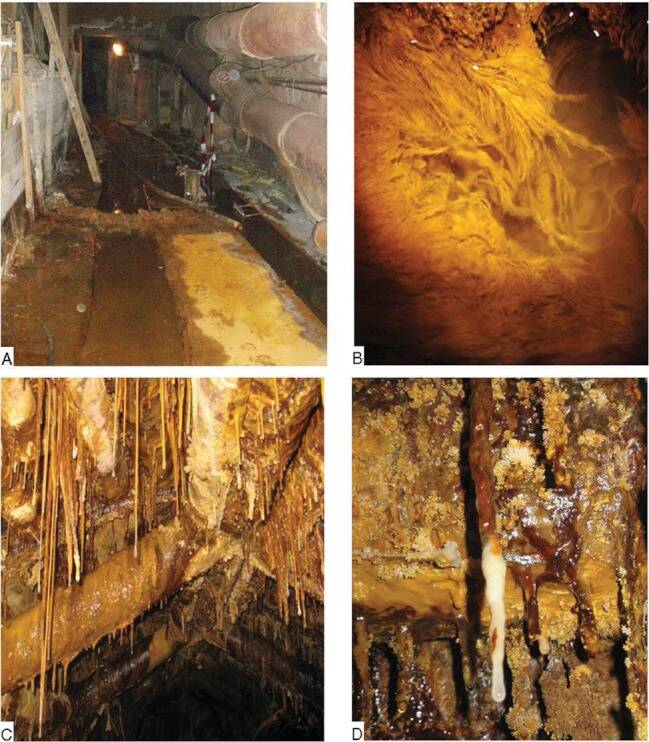
Zirnstein et al/MicrobiologyOpenResearchers found brown and white slime communities and orange acidic “streamers” reminiscent of worms in the mine.
Zirnstein et al / MicrobiologyOpenResearchers found brown and clean sludge communities and orange acidic “ streamers ” evocative of worms in the mine .
In the dark and dampen mine , research worker identify several germ . Orange acidulous microbes that resemble long , thin worm hung from the wall . Slimy brown and snowy microbes oozed from the ceiling like stalactite .
Researchers also noted the complexness of the organisms . Most of them were not single - cell bacterium , but multi - celled eukaryotes , or organisms with a nucleus in their cells . According toBig Think , the largest of these microorganism measured 50 micrometers wide and 200 micrometers long .
Given the complexity of life in the mine , researchers were funny how such an impressive ecosystem could survive in an surround devoid of sunlight and as acidic as grapefruit succus .
According to thepublished findingson the “ alien ” bug , the mine ’s low pH , high sulfate concentrations , and elevated concentrations of heavy metals has allowed the microbes to flourish .
Many of the organisms are acid - have it away bacterium , meaning they generate push by course off the mine ’s abundant reserves of iron and sulfur . These bacteria work the wretched stalactite structure that hang up off the mine ’s wall .
Then , the tiny eukaryotes feed off the Elvis - eff bacteria . In twist , the eukaryotes are exhaust by other , large organism . This cognitive operation continues , shape a extremely efficient and prepare food chain .
Researchers were particularly concerned in the microorganisms ’ structured food chain .
“ eucaryote colonize to a greater extent utmost habitat as originally thought and are not only present but may play a substantial role in the cycling of carbon within acid mine drain communities , ” they wrote in 2012study .
The Königstein mine is not the only inhospitable place researchers have found advanced life forms . In 2007 , scientist studying Chernobyl ’s reactor four found severalstrains of fungusthat appeared to be feeding off the web site ’s radioactivity .
Even in the deepest depths of the Arctic Ocean surround by a large battlefield of hydrothermal vent-hole that are low in oxygen and gamey in pressing , scientist have foundbacteria prosper .
It would seem that no matter how “ uninhabitable , ” life will always get hold a fashion .
After reading about the microorganism in the German uranium mine , take a look at thedogs of Chernobyland how they are still thriving in one of the world ’s most radioactive areas . Then , read the reliable story ofDavid Hahn , the “ Radioactive Boy Scout ” who tried to build up a nuclear reactor in his backyard .
