When you buy through tie-in on our site , we may earn an affiliate commission . Here ’s how it works .
Almost everywhere you look , you ’ll find one — or dozens — of the six - legged critters called insects . A wildly various bunch , the class Insecta includes pismire , bee , fly , beetles and much more . These creature all possess a eubstance composed of three segments — head , pectus and abdomen — encase in a hard exoskeleton . All insects also lark a pair of transmitting aerial , compound eye and three pairs of jointed legs . From that basic body architectural plan , emerge all sorts of amazing behaviors and abilities , as Live Science uncover here in 20 startling facts about insects .
1 . The most successful creatures . To appointment , scientists have catalogued about1.5 million species of organisms on the planet , with insects making up about two - thirds of this bounty , researchers describe in the journal Proceedings of the National Academy of Sciences . But scientists have only get to scrape up the open : Studies judge the total number of species on Earth is probably close to9 million . Of the planet ’s wildly diverse collection of creatures , some90 percentof species are reckoned to belong to to the class Insecta . Reasons for dirt ball ' succeeder admit their petite size , which both makes hide easier and cut overall energy prerequisite ; wide dieting of both natural and artificial foods ; tough , protective exoskeletons ; frequent self-will of wing , which help them arrive at base hit , chuck and mates ; and prodigious power to reproduce .

A rhinoceros beetle shows off its antler-like horn.
2 . fill the beetles . Beetles , of the insect lodge Coleoptera , are the most biodiverse group of creatures known , with more than 380,000 species described to date , make up 40 percent of all insect species on the Holy Writ . When asked what a field of nature tell you about a creator , the British scientist J.B.S. Haldane once reportedly quipped that you’re able to assume such a creator has " an inordinate fondness for beetles . " A recentProceedings of the Royal Society B studysuggests the arcanum to beetle diversity , and likely to that of other insects groups , is their lifestyle versatility . This ensures that their coinage do not go nonextant as readily as , say , mammal or amphibious species .
3 . Planet of the ants . Outside in lovesome temperatures ? If so , when you look down you ’ll probably stag an ant or two or 10 scurrying along . ( It ’s not uncommon to see pismire when indoors , either . ) The renowned life scientist Bert Hölldobler and E. O. Wilson estimated in their Pulitzer Prize - winning 1990 playscript , " The Ants " ( Belknap Press ) , that on the order of 10 quadrillion ants live on the major planet at any given moment . That ’s about 1.4 million ants per human , based on a existence population of 7.3 billion people .
4 . On every continent . . . but just barely . Although insects can be found by the buckets just about anywhere on Earth , there ’s one continent where they barely have a footing : Antarctica . In fact , only one truthful species of insect , a wingless midge calledBelgica antarctica , calls the southernmost continent domicile , according to the Laboratory for Ecophysical Cryobiology at Miami University ( Ohio ) . The midget fly is only 0.08 to 0.23 inches ( 0.2 to 0.58 centimeters ) long , but it ’s still the Antarctic ’s expectant terrestrial brute . Amongst this insect ’s many clever version to Antarctic harshness , B. antarcticacan withstand the freezing of its corporal fluids and athletics a robust , purple - black-market complexion to soak up as much seeable sunlight as it can for passion .
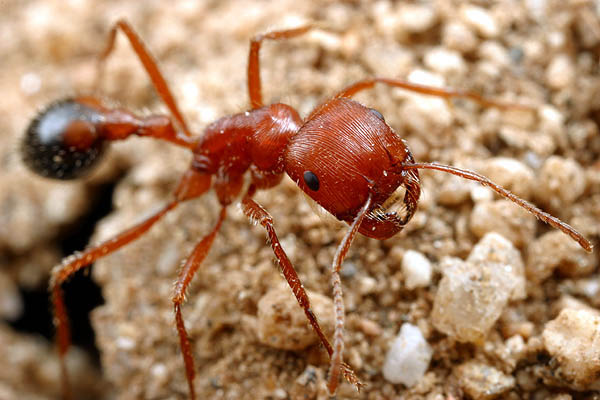
A California harvester ant worker stands guard at the nest entrance.
5 . Landlubbers . Seeing as you still ca n’t escape louse even in Antarctica , there is one place where you may go to be virtually free of the six - legged creatures . That place is the 70 pct of the Earth ’s surface covered by the sea . Why have insectsfailed to determine up shopin the giving biosphere on the planet ? No one really knows why , but suggested explanations are that theoceans lack the plantsfor solid food and sheltering home ground that are bump on res publica . Another possible explanation is that a full cousin of insect , the crustaceans , have mostly made the ocean their home , potentiallymuscling out their jointed - branch competitors .
6 . breathe through their sides . Insects do not rest through their backtalk . They inhale oxygen and exhale carbon dioxide via holes call in spiracle in their exoskeletons . These holes typically delineate insects ' pectus and stomach . Also bizarre : Insect respiratory systems are not patch into the animals ' circulative systems , as they are in humans , where the lungs exchange gases with the bloodstream . Instead , worm have a cardiovascular - like connection of tubes , called atracheal system , which have oxygen and ferries forth atomic number 6 dioxide from each cell in the animals ' torso .
7 . Blood bathing tub . Speaking ofcirculatory system , insects ' are right smart different from humans ' . Rather than close vessels such as arteries and veins shuttle blood around , worm have an undefendable circulatory system , in which their blood , called " hemolymph , " bathe the reed organ . The louse " middle " is a segmental and chambered vas running along the animal ’s back . This vas cut to send hemolymph forwards toward the straits ; from there , it slush around around back into the relief of the dead body . Hemolympyh is typically readable but can be dark-green or yellowish , as anyone know who has seen certain bug spill on their windshield or underfoot .

Tinkerbella nana, a new species of fairyfly from Costa Rica.
8 . Ancient critters . The oldest worm fossil — a set of jaw , actually — live on back 400 million class , suggesting louse were among the first creature to passage from ocean to land . worm , in other words , were around a good 170 million old age beforedinosaurs came onto the scene .
9 . That ’s a magnanimous bug . The largest insect ever known to have terrorise the sky isMeganeuropsis , or the griffinfly , which was an ancient dragonfly with a wingspread of up to 2.5 feet ( 0.8 time ) . Theseancient dragonfliespreyed on other insect and small amphibianlike creatures during their sovereignty from about 290 million to 250 million years ago .
10 . Monsters and motes . The heftiest insect see today is New Zealand’sgiant weta , a cricketlike beastthat can matter more than a pound . The longest louse , meanwhile , isChan ’s megastick , aboriginal to the island of Borneo and stretching over 22 inches ( 66 cm ) . The smallest worm , you ask ? The evocatively namedfairyflies from Costa Rica . In one of these wasp species , Dicopomorpha echmepterygis , the male is a simple 0.005472 inches ( 0.014 cm ) long .

Two males of dung beetle called Onthphagus taurus size up each other’s horns.
11 . I see you . . . and you , and you , and you , and you!A prominent feature on insects is the chemical compound eye , consisting of many individual visual social unit squall ommatidia . A popular misconception ( promulgated tongue - in - cheek in this section claim ) is that each whole act as its own eye , each perceiving a total battlefield of sentiment . But in fact ommatidia act more like pixels , build up into a mosaic of imagery . The dragonfly is widely consider to have the most impressively ommatidia - studded compound center , with about30,000 unitsper half - ellipsoid of revolution oculus , fit in to researchers account in a 2012 issue of the online journalPLOS ONE . These ommatidium allow a closely 360 - degree line of business of view , handy for abduct flying insect prey out of the sky .
12 . Bonus eyes . In increase to the two large compound eyes on either side of their heads , a telephone number of worm have so - called uncomplicated center , or ocelli , in between , smack dab on their " forehead . " Many fly worm ' ocelli mold a triangle , with two aligned ocelli above a centralized third , looking more like an occult symbolisation than an main optic system . The question of the ocelli ’s functionlong stymiedresearchers . late study have reported , however , that the ocelli , at least in snake doctor , seem specialised for detect Light Within , in particular when describe the purview , according to scientists writing in a 2007 issue of the journalVision Research . As such , dragonflies can quickly differentiate up from down , as it were , and keep their bearings during acrobatic flight maneuvers , a effort of mental attitude - sensing that could work nicely for both piloted and unpiloted aircraft .
13 . Fast fly front - er . Zoom ! Jerry Butler , now an emeritus professor of entomology at the University of Florida , once fool a pellet out of an air rifle to see if a male horsefly of the speciesHybomitra hinei wrighticould beguile it . The guy - fly did , suggesting it must have flown at about 90 miles per hour ( 145 kilometer / h ) , the platter for insects , as reported byDiscover Magazine .
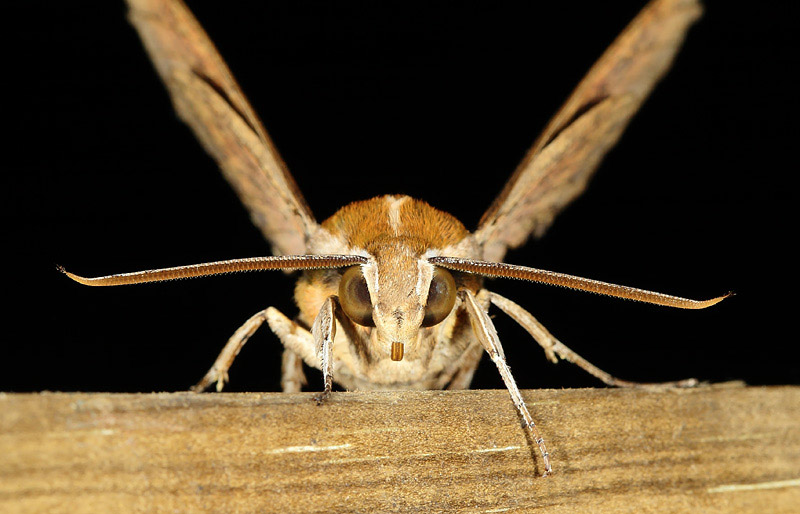
To scare off batty predators, this night flier rubs its genitals together to create ultrasound bursts.
14 . Methuselah insects . Most insect experience for only a few sidereal day or calendar week as reproducing grownup , having expend much longer periods as larvae and pupae , the first two stages of the three - part dirt ball life cycle . There are exceptions , however . Amongst the Hymenoptera society ( ant , bees and wasps ) , the egg - laying queens of colonies can be for decades . In the case of the red reaper ant , Pogonomyrmex barbatus , queens can live perhaps as long as 30 years , according to research published in 2013 inthe Journal of Animal Ecology . Taking the top trophy are termite queens , which may prevail for a half century , concord to the USDA .
15 . Running out of baby figure . blab about creating a dynasty . Termite queens can grow 6,000 to 7,000 eggs in a exclusive day . An entomologist once recorded a queen of the termite speciesMacrotermes hellicosus , bump in Africa and Southeast Asia , crank out an testis at a rate of one every 2 seconds , which would add up to 43,000 a daylight , assume she never took a break , harmonize to the USDA .
16 . Mad ups . The records for resist erect jump for a homo are in the46 - inch ( 117 cm ) range , from NFL and NBA players ( though there are claims of 64 inches for an amateurish athlete , Kevin Bania ) . Either way , a human can not jump higher than his or her own tiptop . An insect bid a meadow froghopper , species namePhilaenus spumarius , on the other hand , can startle more than 100 clip its height , up to about 28 inches — the insect domain book , a scientist cover in 2003 in the journal Nature .

17 . unattackable as a . . . droppings beetle?Scientists reported in 2010 ( in the Proceedings of the Royal Society B ) that the strongest dirt ball on the major planet isOnthophagus Bull , known variously as a tusk dung beetle , dogshit - head droppings beetle and taurus scarab . The ball of fire mallet canpull 1,141 time its own body weight unit .
confessedly , humanity can extract an amazing amount as well . Kevin Fast , a Canadian curate , guard theGuinness World Recordfor the heaviest aircraft draw by a man , a CC-177 Globemaster III that tip the scales at 416,299 lb . ( 188,830 kilograms ) . Fast drag the behemoth 28 feet ( 9 m ) . strike he weighs 300 lbs . ( 136 kilo ) , that ’s 1,388 times his trunk weight unit . grim , dung mallet !
18 . Insectual healing . Suffice to say , the vagaries ofinsect sexwould take up a whole clause unto itself , but here ’s one fact to take the air away with : To prevent competitors from also inseminate female mates , some male insects stay latched to the female for days on ending . The male Amerindic marijuana cigarette worm , Necroscia sparaxes , has the record in thescientific literatureat 79 years . Admittedly , it ’s not all sexy - sentence : scientist meditate a comparatively curt mating session of five - and - half - days in different stick insect coinage found genital middleman occurring for only 40 percent of the hookup . Otherwise , a " male clasping Hammond organ , " specifically a modified set of back ramification , proceed the female person from straying .

19 . Can you get wind me now?Insects haveears all over the place , yet seldom on their factual heads . Lacewings in the order Neuroptera have auricle at the base of their wing . Crickets , include katydids , have lean levelheaded - sensible membranes on their wooden leg . Grasshoppers ' ears appear on their abdomens . The ear of tachinids , a parasitic character of tent-fly , glance out from their necks . Some sphingid , meanwhile , evidently can detect ultrasonic vibrations with theirmouthparts , all the good for avert chiropteran , which use sound to locate prey at dark . ( To make their own ultrasonic bursts , to get away bats , hawkmoths fray their genitals together . )
20 . All bugs are insects , but not all insects are bugs . Not every insect is a bug . stringently talk , " bugs " are an monastic order of dirt ball calledHemiptera . These " honest germ , " as entomologists also call them , are distinguished for experience hypodermic - needle - similar mouthparts . These pecker are perfect for piercing into tissue paper to slurp up fluid , whether from other worm , plants or — in the cause of appropriately appoint bedbug — blood from slumber humans .


